For years, donors and development partners have invested heavily in preparing women to run for political office. Yet young women continue to account for less than 1% of Kenya’s elected leaders, with little change between 2013 and 2022.
Political Ecosystem Designed to Exclude Young Women in Kenya
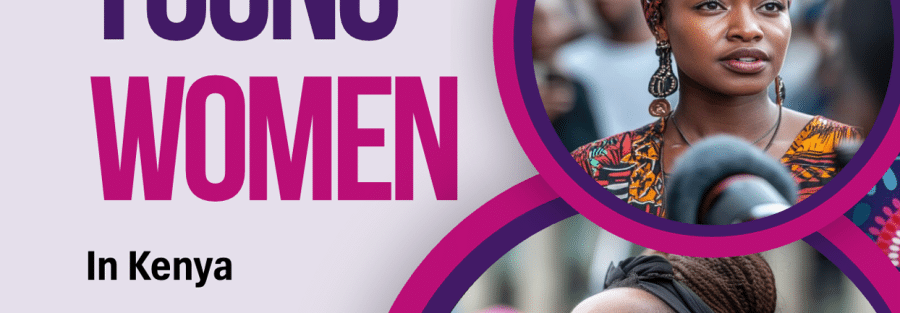
Political Ecosystem Designed to Exclude Young Women in Kenya examines why this trend persists. Drawing on evidence from 122 women candidates across all 47 counties, the book demonstrates that the challenge is not a lack of ambition, leadership, or preparation. The political system itself remains violent, under-resourced, extractive, and structurally designed to exclude young women.
Why Young Women in Kenyan Politics Face Systemic Barriers
The publication explores the realities experienced by women candidates, including:
- Political violence and intimidation
- Financial barriers to running for office
- Unequal access to party structures
- Gender-based discrimination and online harassment
- Weak institutional support for young women leaders
The findings from Political Ecosystem Designed to Exclude Young Women in Kenya challenge conventional approaches that focus solely on capacity building and instead call for reforms that transform the political ecosystem itself.
Evidence from 122 Women Candidates Across 47 Counties
The research is based on interviews and evidence collected from 122 women candidates representing every county in Kenya. Their experiences reveal persistent structural barriers that continue to limit women’s political participation and representation.
If you are interested in women’s political participation, democratic governance, gender equality, or public policy in Kenya, this publication provides evidence-based insights into the challenges facing young women leaders.
📖 Download the free e-book and join the conversation on building a more inclusive political system. The Political Ecosystem Designed to Exclude Young Women in Kenya offers a detailed evidence base for reform discussions.